01
Move to safety.
Move away from the snake. Keep your pet calm and still. Carry them if practical, and limit walking.
Suspect a snakebite? Seek veterinary care right away.
See first stepsFor the pets who are family
When your pet needs you most, a clear next step makes all the difference. Stay calm, limit their movement, and seek veterinary care immediately.
Don’t wait for symptoms. A suspected bite needs prompt assessment.
Right now
Even if you didn’t see the bite or your pet seems okay, contact a veterinarian. You don’t need to identify the snake before getting help.
Move away from the snake. Keep your pet calm and still. Carry them if practical, and limit walking.
If safe, remove their collar and any tight harness or clothing near the bite before swelling increases. Keep movement to a minimum. Don’t struggle with your pet or delay transport.
Call the nearest emergency vet and arrange transport now. Ask about antivenom, but don’t delay urgent assessment while searching.
Venom can cause severe pain and damage tissue. Depending on the snake and the bite, it may also affect blood clotting, breathing, circulation, or organ function. A veterinarian can check for problems that aren’t visible from the bite alone.
The next step is care
Start with the nearest emergency veterinary hospital. A veterinarian can assess your pet, begin care, and help arrange a transfer if needed.
“My pet may have been bitten by a snake. Can you see us now, and do you have antivenom?”
Search nearby veterinary hospitals in Google Maps, then call to confirm they can receive your pet.
Explore the existing Veterinary Snakebite 911 clinic directory. You may see “antivenin”—it’s another name for antivenom.
View the antivenom clinic mapAlways call first. Listings don’t confirm current stock, opening hours, or a clinic’s ability to receive your pet. Don’t delay urgent care to find antivenom.
Antivenom clinic directory
Search the existing Veterinary Snakebite 911 directory by location. These are independent clinics. A listing does not confirm current antivenom stock, opening hours, or emergency intake.
The clinic map loads when you open this section.
If the map is difficult to use, open the original locator in a new tab. Don’t delay urgent assessment while searching.
A little understanding helps
You don’t have to have all the answers. Your job is to get help; your veterinary team will assess the bite and guide your pet’s care.
For every curious nose.
And everyone who loves one.
Antivenom, also called antivenin, is a treatment that neutralizes snake venom. A veterinarian decides whether it is needed and provides monitoring, pain relief, and other supportive care.
Read more: Merck Veterinary Manual ↗Signs may include pain, swelling, bruising, bleeding, weakness, difficulty walking, twitching, or breathing changes. Fang marks can be hard to see. Don’t wait for signs to appear after a suspected bite.
Seek veterinary care now. Ongoing pain, swelling, bleeding, weakness, or other changes still need urgent assessment. Do not assume it is too late for treatment. A veterinarian will assess what care can help your pet.
Read more: Merck Veterinary Manual ↗Call a veterinarian right away and explain what happened. Pets may seem well at first, and owners can’t reliably determine the severity of a bite at home.
Give no medicine unless the treating veterinarian directs you. Antihistamines such as Benadryl do not neutralize venom. Anti-inflammatory pain medicines called NSAIDs, including aspirin, ibuprofen, naproxen, and some prescribed pet medicines, may cause complications and are generally avoided in snakebite care. Your vet can choose appropriate pain relief.
Read more: Texas A&M Veterinary Medicine ↗Tell the treating veterinarian the medicine’s name, strength, amount, and when it was given. Bring the packaging or a photo of its label. Ask before giving another dose or adding another medicine, and continue seeking care for the suspected bite.
Read more: FDA advice on pet medicines ↗If you can do so safely, carefully remove the collar and any tight harness or clothing near the bite before swelling increases. This can help prevent constriction. Keep your pet calm, avoid unnecessary movement, and don’t delay transport to remove equipment.
Never catch, kill, or bring the snake. Take a photo from a safe distance only if it poses no risk and doesn’t delay getting your pet to care.
Yes. Cats also need prompt veterinary assessment after a suspected snakebite. Keep them calm and use a carrier for safe transport.
Read more: UC Davis Veterinary Medicine ↗For your next adventure
Save a few essentials before you need them.
Save your emergency vet’s number.Keep a local option and one near places you visit.
Ask about snakebite care.Find out who can assess a bite and where antivenom may be available.
Give wildlife room.Use a leash outdoors and keep curious pets away from snakes.
Optional treatment photos
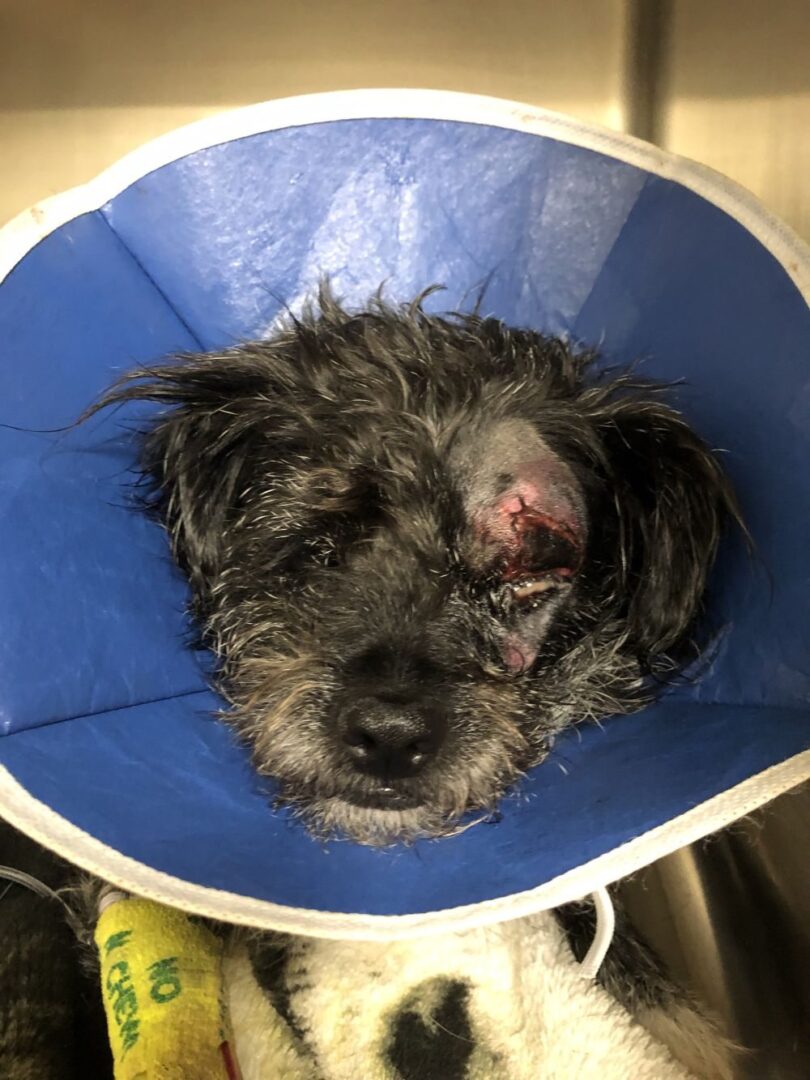
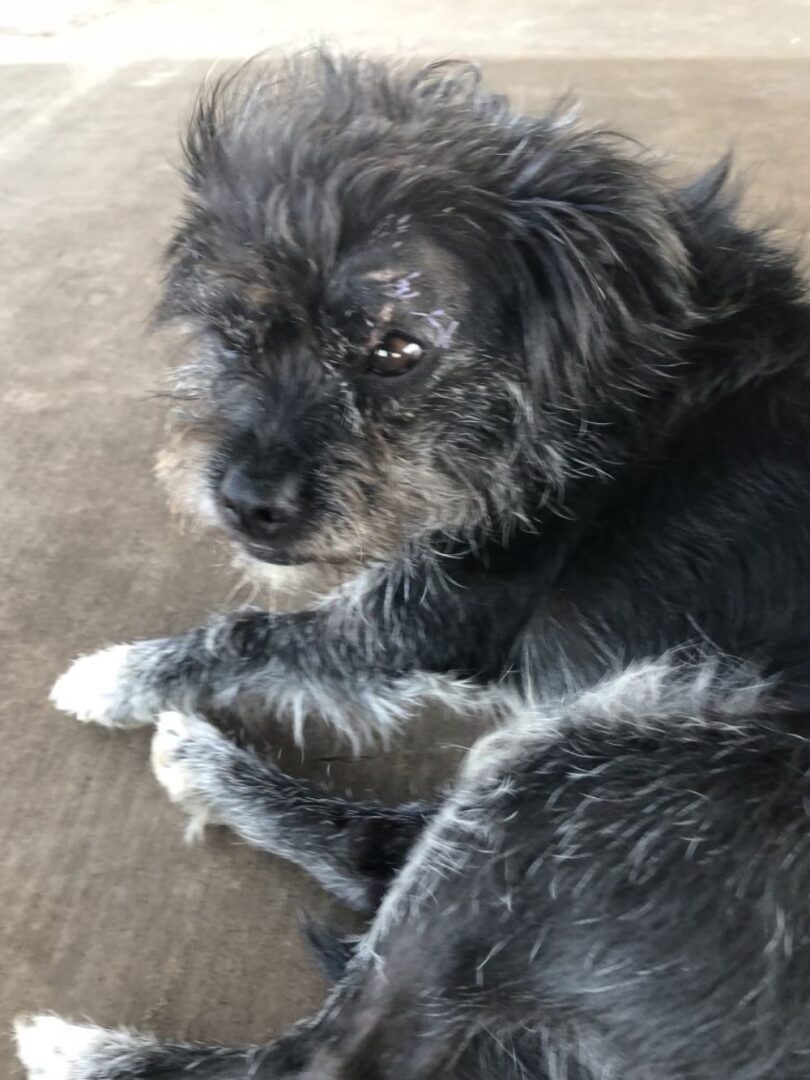
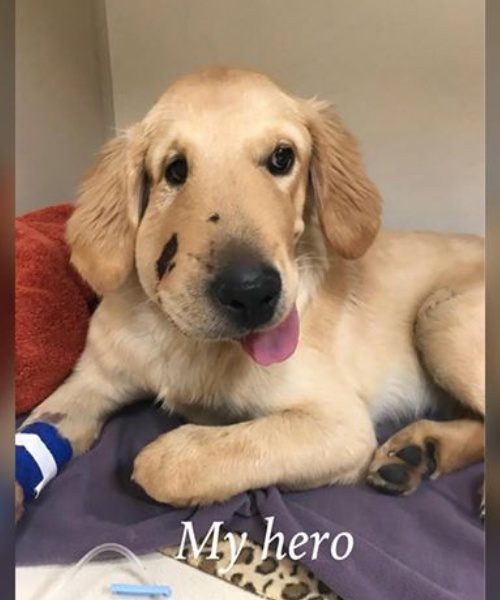
These photographs show injured pets and may be upsetting. They are optional, and you can keep them hidden while using the rest of the website.
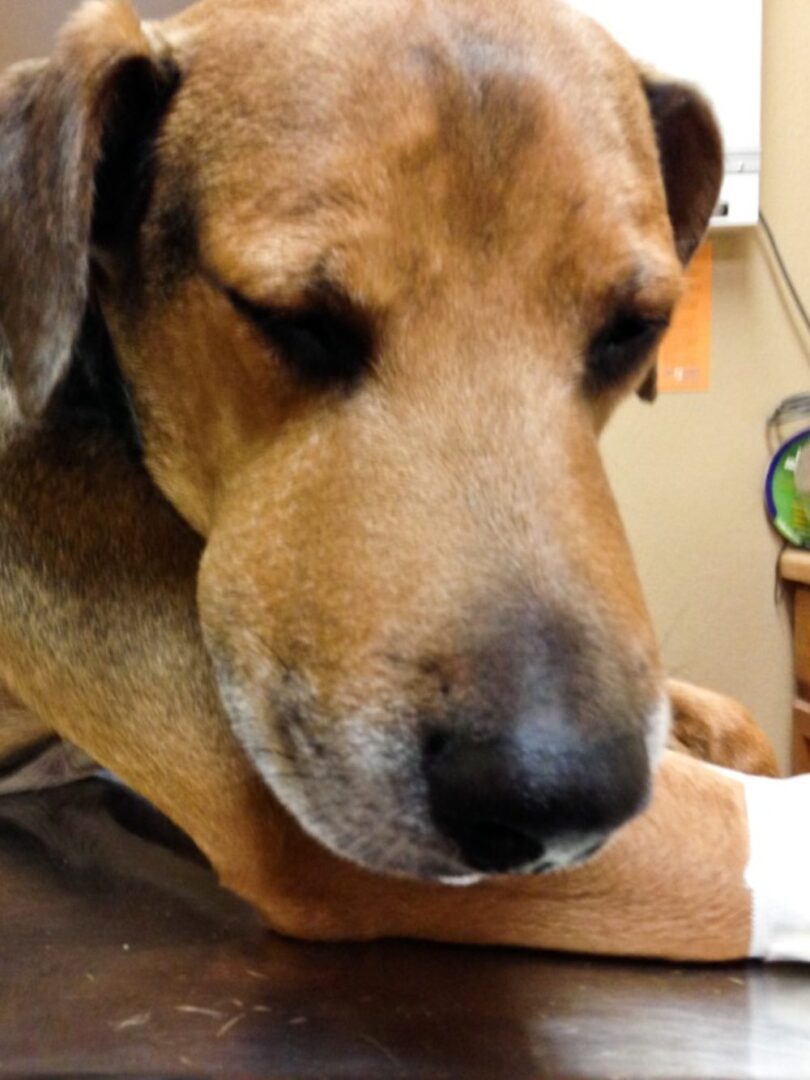
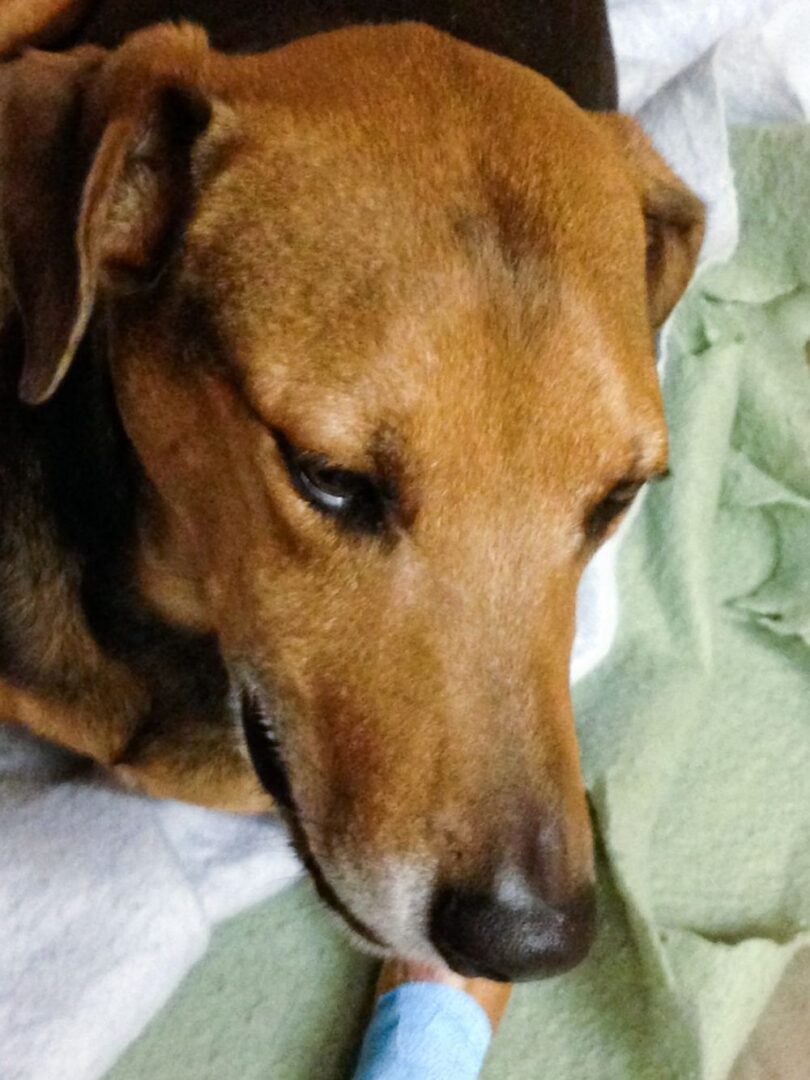
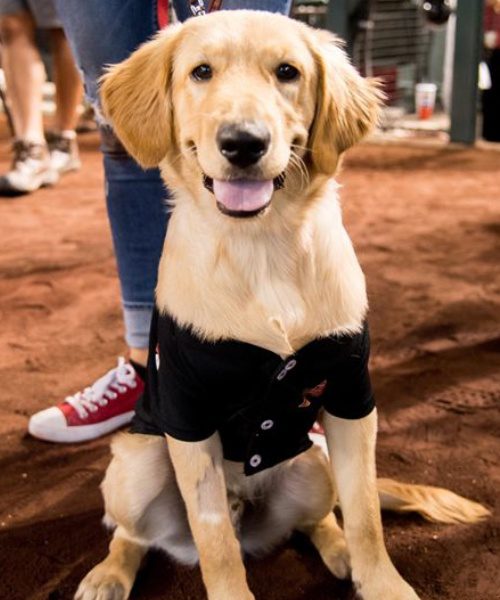
These three photo pairs come from the original Veterinary Snakebite 911 gallery. “Before” and “After” follow the original labels. Treatment details and time between photographs were not provided, and the images do not predict any pet’s outcome. Select a photograph to open it at full size.
After care is underway
Online resources can supplement veterinary care. Never wait for a post to be approved or a reply before getting your pet to a veterinarian.
Visit the organization’s website for current educational resources.
Visit its Facebook support group ↗Facebook sign-in and group membership may be required.
The original website also names National Veterinary Snakebite Support. Group availability and access can change; check the current group information.
Pet lovers. Here to help.
Veterinary Snakebite 911 helps pet owners find clear information and veterinary resources when a snakebite turns an ordinary day upside down.
Created by pet lovers, this resource brings emergency steps, antivenom information, and a clinic locator together—so you can focus on getting your pet the care they need.
Clinics in the directory are independent providers. This website is an educational resource, not a veterinary hospital or emergency phone service.
Contact us or add your clinicFor non-urgent questions. In an emergency, call a veterinarian.
Stay connected
Choose the right form below. For a suspected snakebite, contact a veterinarian immediately.
Help pet owners find clinics that carry antivenom. Use the existing registration form to request a directory listing.
Have these details ready:
Opens the clinic signup form on the original website.
Ask a non-urgent question about this resource or share a website suggestion through the existing contact form.
Have your name and contact information ready so the team can respond.
Open contact formOpens the general inquiry form on the original website.
Contact forms are for non-urgent messages. They do not provide emergency assessment or guaranteed response times.
You know them best. Take the next step.